A missed reply rarely feels like a major business problem in the moment.
It is just one Instagram message left for later. One lead that asked a question while the owner was with a client. One follow-up that should have gone out yesterday. One social post that never made it past the draft stage.
For a small service business, these small delays add up quickly. And the cost is rarely obvious until a pattern of lost leads becomes hard to ignore.

The attention problem facing solo service businesses
Most solo business owners are not losing opportunities because they lack expertise. A med spa owner understands treatments. A CPA understands tax work. An insurance agent understands policies and risk.
The problem is not expertise. The problem is attention.
Running a small service business often means being the operator, marketer, salesperson, admin, and customer support team at the same time. One minute the owner is publishing something useful on social media. Then a new lead sends a question. Then an existing client needs an update. Then an old prospect should probably be followed up with before they go cold.
The work is not just busy. It is fragmented.
That fragmentation is what makes communication fall through the cracks. Not bad intentions. Just too many context switches for one person to handle cleanly.
Why speed matters more than most owners realize
A potential client who sends a message may not be comparing ten options in a spreadsheet. They may simply be looking for the first credible business that responds clearly. If a reply comes too late, the lead may not be angry. They may just be gone.
This is why AI lead follow-up is becoming practical. Not because every conversation should be automated. Not because business owners should disappear from the relationship. It is useful because a lot of communication is repetitive enough to prepare, yet important enough not to forget.
Common patterns across service industries
Different service businesses face the same core challenge with different surface patterns:
- A med spa needs to answer common questions about appointments, treatments, and availability. More often than not, they are the same questions, asked by different people, every week.
- A CPA needs to respond to inquiries, remind clients about missing documents, and follow up after consultations before the client forgets what was discussed.
- An insurance agency needs to keep prospects moving through a process that can easily stall if nobody checks in at the right moment.
In each case, the business still needs human judgment. But it also needs consistency. That consistency is hard when communication lives across too many places: social media, email, forms, CRM notes, and client reminders all competing for the same limited attention.
Where Wysera fits in the workflow
Wysera sits in the growing category of AI assistants for small businesses, but the interesting part is not simply that it uses AI. The interesting part is the type of work it is trying to reduce: repetitive communication, content planning, lead replies, and sales follow-up that often gets delayed because one person is carrying the whole business.
It approaches this by connecting parts of the workflow that usually sit apart. Its product family includes PostWyse for content and SEO work, and OpsWyse for sales and operations. The broader idea is that marketing and client communication should not feel like two separate worlds that require constant copy-paste between tools.
The person creating content may be the same person replying to leads, booking calls, and managing client relationships. When these systems do not talk to each other, the owner becomes the bridge. And being the bridge is exhausting.
Small businesses rarely have a clean handoff between departments. There is no department. When systems do not communicate, the owner fills the gap manually. And that does not scale well past a certain point.
Human approval at the center
The best use of AI in small business communication is not to replace the owner's voice. It is to reduce the blank page, the repeated typing, and the constant task switching.
Wysera makes human approval part of the workflow. Its messaging emphasizes that Wyse drafts and the user approves. That distinction is especially important for businesses where trust, accuracy, and tone matter.
- A med spa should not publish careless treatment claims.
- A CPA should not send vague financial guidance.
- An insurance agency should not let important language go out without review.
In these businesses, automation without oversight can create more problems than it solves. Human approval keeps the business in control. The AI assistant prepares the draft. The owner decides what actually goes out.
That also makes AI less intimidating. Many owners do not want a tool that takes over the business. They want something that makes the week easier. Fewer forgotten follow-ups. A steadier social presence. Leads hearing back while interest is still fresh. Existing clients who feel looked after without every reminder living in the owner's head.
What changes for a solo operator day to day
AI client communication is becoming less of a novelty and more of an operations layer. It handles the work that is easy to postpone but costly to ignore.
For a solo business, this can change the feel of the day. Instead of jumping from content draft to lead reply to client reminder with no structure, the owner can work from prepared drafts and clearer next actions. The business becomes more consistent without becoming less personal.
The value is not that every message becomes automatic. The value is that fewer important messages depend entirely on memory, mood, or whether the owner happens to have time between appointments.
For service businesses, that is a real problem worth solving.
Why IndieChains recommends Wysera
IndieChains editorial
Wysera addresses an operational issue many small service businesses feel every day: staying responsive while one person is responsible for marketing, leads, and clients.
We like that it focuses on practical communication support and keeps human approval at the center, which makes the product feel useful without removing the owner from the relationship.
Visit WyseraRelated showcase
Other entries in the Showcase network worth exploring.
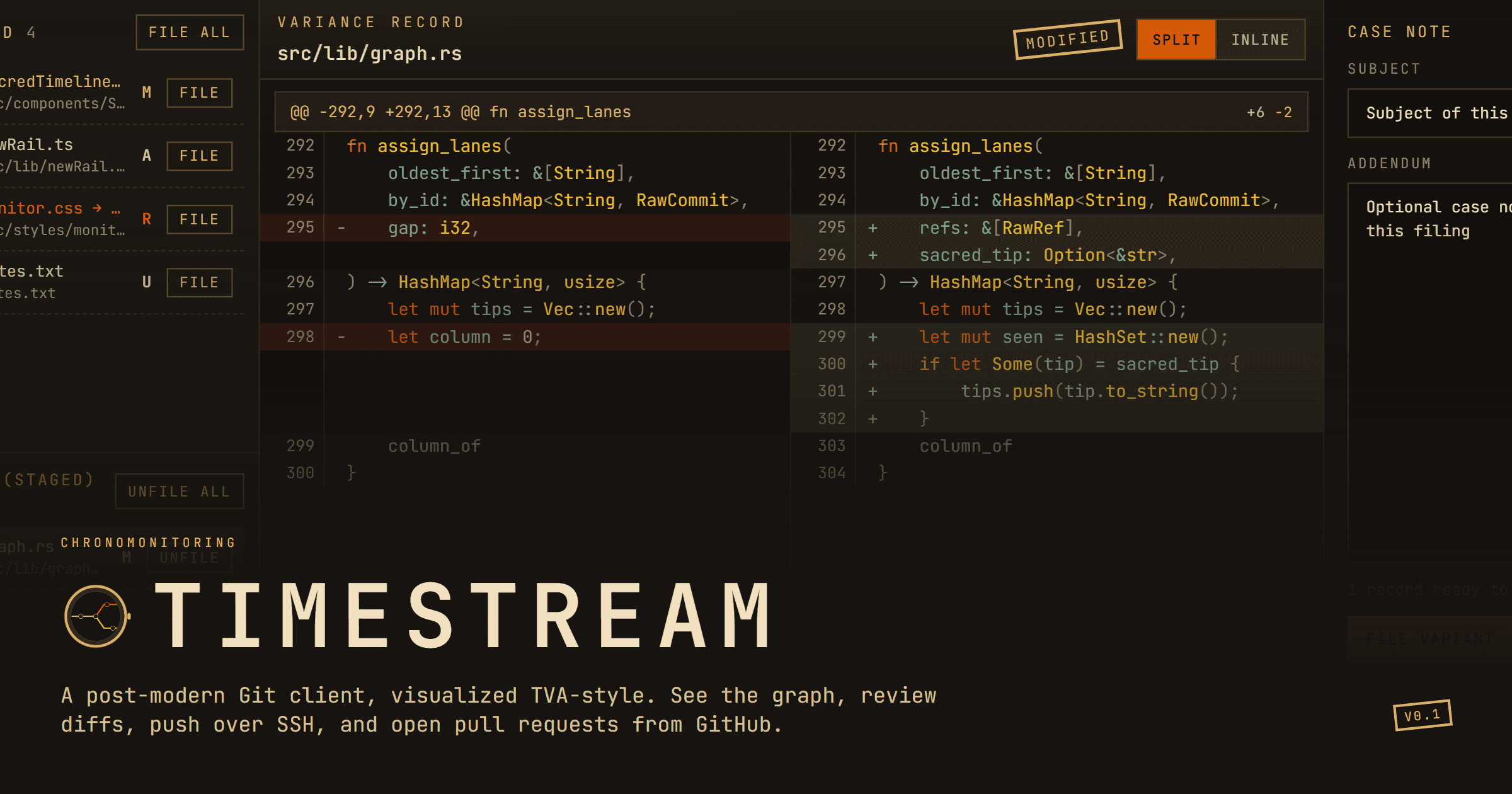
Timestream: A Local-First Git Client Built Around the Commit Graph
How Timestream turns Git history into a visual timeline, then connects diff review, commits, SSH pushes, and GitHub pull requests in one desktop desk.
8 min read
Read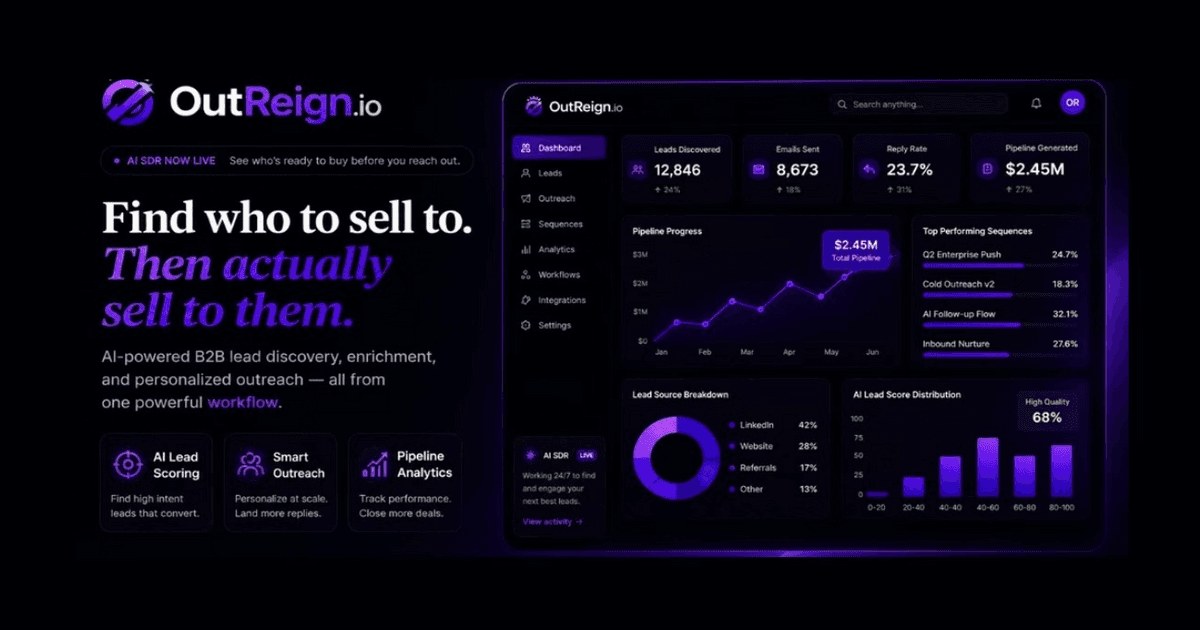
OutReign: From Plain-English ICP to a Live B2B Outbound Workflow
How OutReign turns an ideal customer description into ranked prospects, SMTP-verified emails, personalized first-touch drafts, and a repeatable outbound workflow.
8 min read
Read